
Endoscopic Ultrasound
What is an endoscopic ultrasound?
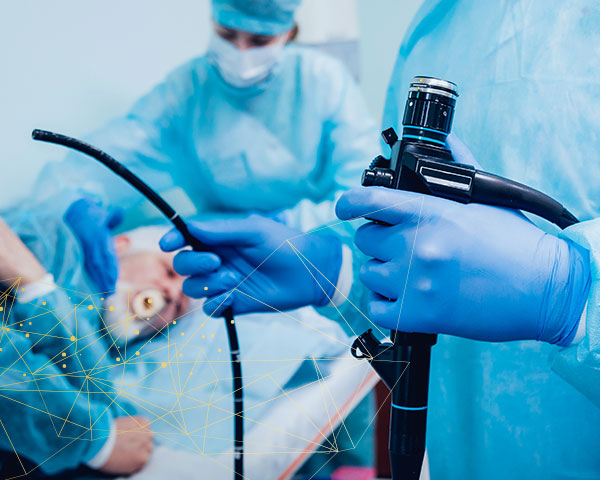
An endoscopic ultrasound (EUS) is a minimally invasive procedure that combines endoscopy and ultrasound technology to produce detailed images of the digestive tract and surrounding organs. By inserting a thin, flexible tube with a small ultrasound probe through the mouth and into the digestive system, EUS allows doctors to closely examine areas such as the esophagus, stomach, pancreas, bile ducts, and lymph nodes. This procedure is highly effective for diagnosing conditions, guiding biopsies, and evaluating symptoms like abdominal pain or abnormal scans, all while avoiding the need for major surgery.
Why you may need an EUS?
An Endoscopic Ultrasound (EUS) may be required to diagnose and evaluate various gastrointestinal conditions, including diseases of the pancreas, liver, gallbladder, and bile ducts. It provides detailed images and allows for precise staging of cancers, identifying the presence of tumors, cysts, or other abnormalities. EUS can also assist in obtaining tissue samples through fine needle aspiration (FNA) for biopsy, helping to confirm diagnoses. This non-invasive procedure is often used when other imaging techniques may not provide sufficient clarity, offering a more comprehensive and accurate assessment for patients experiencing unexplained symptoms or those requiring advanced diagnostic procedures.
How long does an EUS take?
An Endoscopic Ultrasound (EUS) typically takes between 60-120 minutes, depending on the complexity of the procedure and the area being examined. The process involves sedation to ensure comfort, and patients usually remain in the recovery area for a short period afterward to ensure they are fully alert before being discharged. The total time may vary, but the actual procedure itself is relatively quick.
What preparation is required for an EUS?
Prior to undergoing an EUS, you will be required to be nil-by-mouth for 6-8 hours prior to the EUS. This will allow for sufficient time for your stomach to be empty, and to allow for a safe procedure. Dr. Coovadia will be more specific about the time to begin fasting depending on the time of day that your test is scheduled.
Your current medications may need to be adjusted or avoided. Most medications can be continued as usual. Medication use such as aspirin, Vitamin E, non-steroidal anti-inflammatories, blood thinners and insulin should be discussed with your physician prior to the examination as well as any other medication you might be taking. It is therefore best to inform your medical team of any allergies to medications, iodine, or shellfish. It is essential that you alert Dr. Coovadia if you require antibiotics prior to undergoing dental procedures, since you may also require antibiotics prior to EUS.
Also, if you have any major diseases, such as heart or lung disease that may require special attention during the procedure, discuss this with Dr. Coovadia prior to the EUS.
To make the examination comfortable, you will be sedated during the procedure. Sedatives will affect your judgment and reflexes for the rest of the day, so you should not drive or operate heavy machinery until the next day.
What complications can occur?
While Endoscopic Ultrasound (EUS) is generally considered safe, there are some potential complications, though they are rare. These can include perforation, which is a small tear in the wall of the gastrointestinal tract that may require further medical treatment or surgery. There is also a slight risk of infection, especially if a biopsy is performed during the procedure. Bleeding can occur at the biopsy site or from other tissues, and if the pancreas is examined, there is a very small chance of developing pancreatitis, an inflammation of the pancreas. Additionally, as with any procedure involving sedation, there are risks associated with the sedatives used, such as respiratory or cardiac complications, though these are rare with proper monitoring. Some patients may also experience mild discomfort or a sore throat afterward, especially if a mouthpiece or endoscope was used. Despite these risks, EUS is generally well-tolerated, and your doctor will discuss any potential complications with you beforehand to ensure you're fully informed and prepared.
Please feel free to speak to Dr. Coovadia should you have any queries related to these procedures.